How do you choose the right ventilation for your roof?
Proper roof ventilation is essential for maintaining the longevity and efficiency of your home. It helps regulate temperature, prevent moisture buildup, and protect against damage such as mold growth and structural deterioration. But with various ventilation options available, how do you choose the right one for your roof? Here’s a comprehensive guide to help you make an informed decision.
Why Roof Ventilation Matters
Roof ventilation is crucial for:
- Temperature Control: Prevents excessive heat buildup in summer, reducing cooling costs.
- Moisture Management: Reduces condensation, preventing mold and mildew growth.
- Extending Roof Lifespan: Helps prevent ice dams and shingle deterioration.
- Energy Efficiency: Improves overall insulation performance and reduces strain on HVAC systems.
Types of Roof Ventilation
There are two main types of roof ventilation: intake vents and exhaust vents. A balanced ventilation system requires both to ensure proper airflow.
- Ridge Vents — Installed along the peak of the roof and allow hot air to escape evenly along the ridge.
- Soffit Vents — Located under the eaves of the roof and allow fresh air to enter the attic.
- Gable Vents — Installed on the exterior wall near the peak of the roof to promote cross-ventilation.
- Roof Turbines (Whirlybirds) — Wind-powered spinning vents that pull hot air out of the attic.
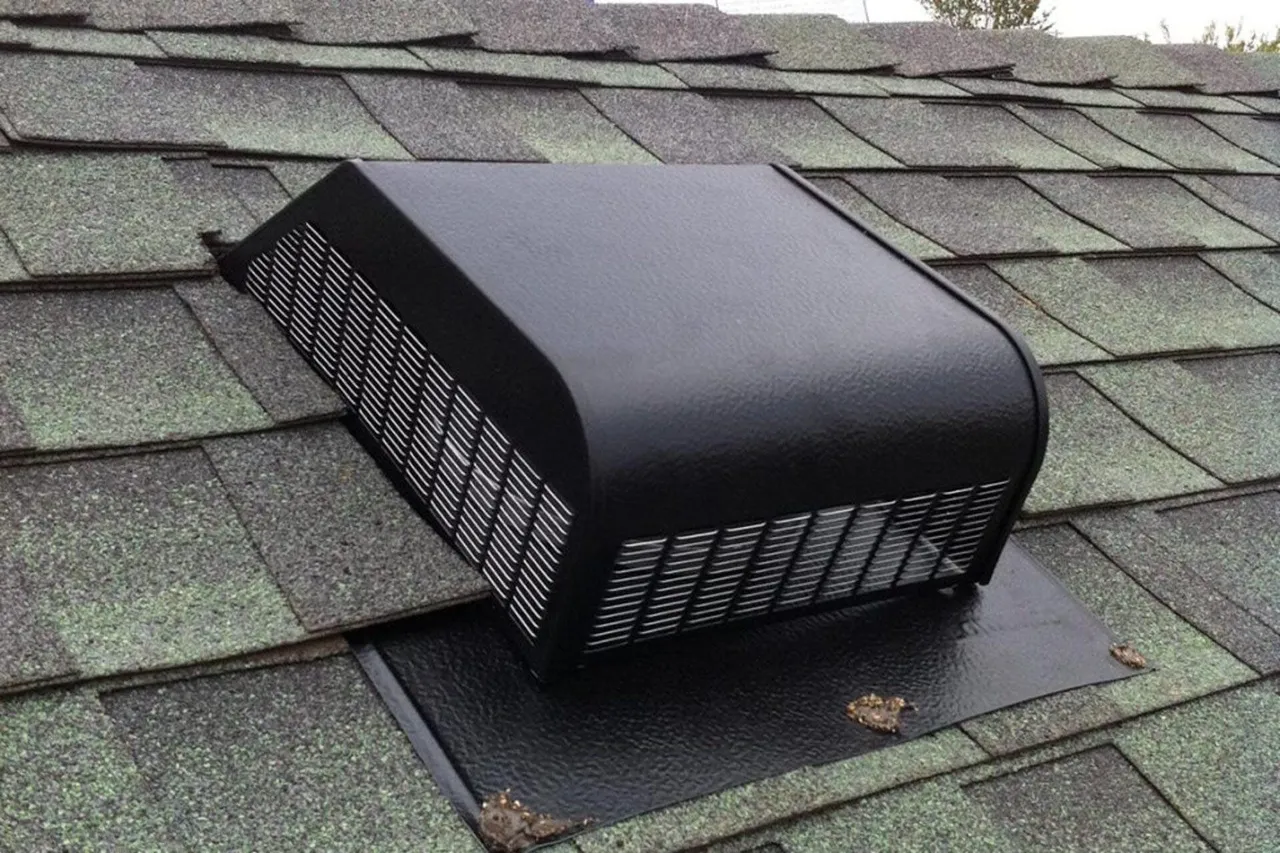
- Power Attic Vents (PAVs) — Electrically powered fans that force hot air out.
- Solar-Powered Vents — Use solar energy to power attic fans, reducing electricity costs.
Choosing the Right Ventilation for Your Roof
Selecting the best ventilation system depends on: roof design and size, climate considerations, energy efficiency goals, and budget/maintenance needs. A well-balanced system with both intake and exhaust vents ensures proper airflow and protects your roof from premature damage. If you’re unsure which ventilation system is best for your home, consult a professional roofing contractor.