SAME DAY ESTIMATES AVAILABLE
CALL FOR A FREE ESTIMATE
(833) 392-ROOF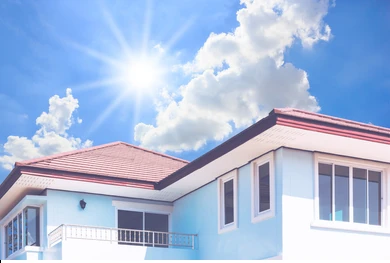
January 23, 2026
Your roof is your home’s first line of defense against the elements, and extreme temperatures can take a toll on its durability and performance. Many homeowners focus on damage caused by rain, wind, or snow, but heat can be just as harmful. Understanding how heat affects your roof can help you take preventative measures to extend its lifespan and maintain its integrity.
High temperatures, prolonged sun exposure, and thermal expansion can all contribute to roof wear and tear. Here are some of the key ways heat can impact your roofing system:
As temperatures rise during the day, roofing materials expand. When temperatures drop at night, they contract. This continuous expansion and contraction can cause cracks, warping, and weakening of materials over time. Shingles, flashing, and other components may shift, leading to leaks and structural damage.
The sun’s ultraviolet (UV) rays break down roofing materials, causing them to become brittle and deteriorate. Asphalt shingles can lose their protective granules, making them more vulnerable to moisture and impact damage. UV exposure accelerates the aging process, leading to premature roof failure if not properly maintained.
Heat can cause moisture buildup in your attic, leading to condensation and mold growth. Poor ventilation exacerbates heat retention, which can weaken the roof structure and insulation. A well-ventilated roof helps regulate temperature and prevent excess moisture accumulation.
Dark-colored roofs absorb more heat, increasing indoor temperatures and making your air conditioning work harder. This can lead to higher energy bills during hot summer months. Installing reflective roofing materials or coatings can help reduce heat absorption and improve energy efficiency.
While you can’t control the weather, you can take steps to minimize heat-related roof damage:
Light-colored or reflective shingles help reduce heat absorption. Metal, clay, and slate roofs tend to withstand heat better than traditional asphalt shingles. Consider cool roofing materials that are designed to reflect sunlight and dissipate heat.
A well-ventilated attic allows heat to escape, preventing moisture buildup and excessive roof expansion. Ridge vents, soffit vents, and attic fans can improve airflow and regulate temperature.
Schedule professional roof inspections at least once a year to catch heat-related damage early. Replace damaged shingles, reseal flashing, and check for signs of warping or cracking.
Reflective coatings can help reduce heat absorption and extend the life of your roof. These coatings add a layer of UV protection and improve energy efficiency.
Heat can have a significant impact on the longevity and performance of your roof. By choosing the right materials, ensuring proper ventilation, and performing regular maintenance, you can minimize heat-related damage and keep your roof in top condition.
At CMS Roofing and Restoration, we offer expert roofing solutions to help protect your home from extreme weather conditions. Contact us today for a roof inspection or consultation!
Owned & Operated Since 2012
4.7 Average Rating (165 Reviews)
2567 Center Rd
Hinckley, OH 44233
1990 Main St. Suite 750
Sarasota, FL 34236