SAME DAY ESTIMATES AVAILABLE
CALL FOR A FREE ESTIMATE
(833) 392-ROOF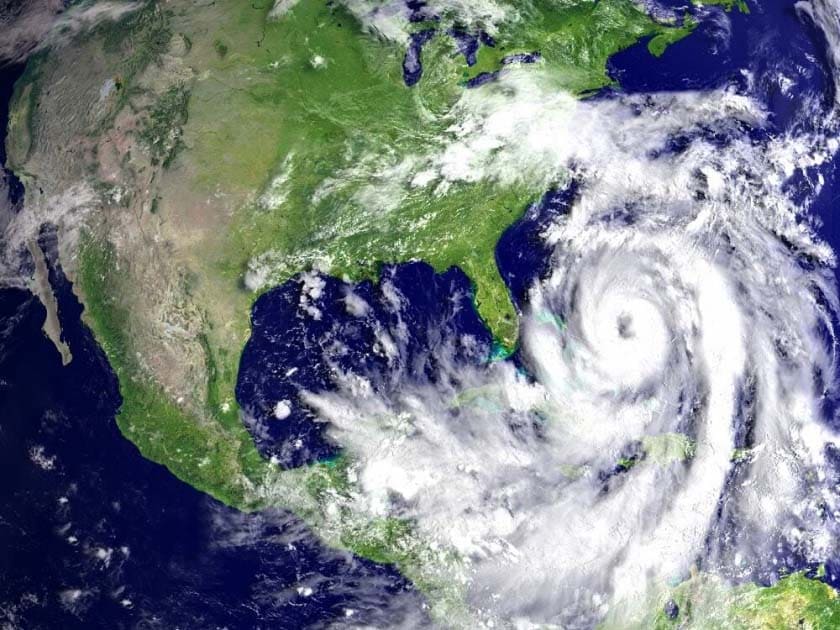
January 23, 2026
Hurricanes are one of the most destructive forces of nature, and your roof is the first line of defense against their powerful winds, torrential rain, and flying debris. Even if your home withstands a storm, your roof may suffer damage that shortens its lifespan and compromises its integrity. Understanding how hurricanes impact your roof can help you take preventative measures to minimize damage and extend its longevity.
Hurricanes bring sustained high winds that can exceed 100 mph, putting extreme pressure on your roof.
Strong winds can loosen, lift, or completely tear off shingles, leaving your roof vulnerable to leaks.
If the wind gets under the roofing material, it can create an uplift effect, potentially ripping off entire sections of the roof.
Prolonged exposure to heavy rainfall can lead to roof leaks, especially if shingles, flashing, or sealants are already weakened.
Water infiltration can cause mold growth, rot, and structural damage to the decking and attic.
Clogged gutters can worsen the problem by allowing water to pool on the roof, increasing the risk of leaks and water intrusion.
Hurricanes can turn tree branches, loose objects, and even small structures into dangerous projectiles.
Impact from flying debris can crack or puncture shingles, tiles, or even the underlying roof deck.
Larger debris can cause structural damage, leading to costly repairs or a full roof replacement.
Some hurricanes bring hail, which can accelerate roof deterioration.
Hail can dent metal roofs, crack tiles, and knock off the protective granules from asphalt shingles, reducing their effectiveness.
Even small hailstones can weaken the roof’s protective barrier over time.
The combination of wind, rain, and flying debris places immense stress on the overall structure of the roof.
Repeated exposure to hurricanes over time can weaken roofing materials, reducing their lifespan and making them more susceptible to future storms.
Poorly installed or aging roofs are particularly vulnerable to structural failure during a hurricane.
Have a professional roofing contractor inspect your roof at least once a year, especially before hurricane season.
Identify and repair loose or damaged shingles, flashing, and sealants to prevent further damage during storms.
Consider using hurricane-rated shingles, metal roofing, or reinforced tiles designed to withstand high winds and impact.
Look for roofing materials with a high wind-resistance rating to minimize uplift damage.
Ensure gutters and downspouts are free from debris to allow proper water drainage.
Install gutter guards to prevent clogs that could lead to water buildup on the roof.
Trim tree branches near your home to reduce the risk of falling limbs during a storm.
Secure outdoor furniture, decorations, and other objects that could become projectiles in high winds.
Installing hurricane straps or clips can help secure your roof to the structure of your home, reducing the risk of uplift damage.
Reinforcing the attic and roof deck can provide additional stability against high winds.
Hurricanes can significantly impact the lifespan of your roof, causing everything from minor wear and tear to catastrophic damage. Taking proactive steps to protect your roof can help minimize repairs and extend its longevity. If your roof has been through a hurricane, it’s crucial to schedule a professional inspection to assess any hidden damage.
At CMS Roofing and Restoration, we specialize in hurricane-resistant roofing solutions and storm damage repairs. Contact us today for an inspection or a free consultation to keep your roof in top shape, no matter the weather!
Owned & Operated Since 2012
4.7 Average Rating (165 Reviews)
2567 Center Rd
Hinckley, OH 44233
1990 Main St. Suite 750
Sarasota, FL 34236