SAME DAY ESTIMATES AVAILABLE
CALL FOR A FREE ESTIMATE
(833) 392-ROOF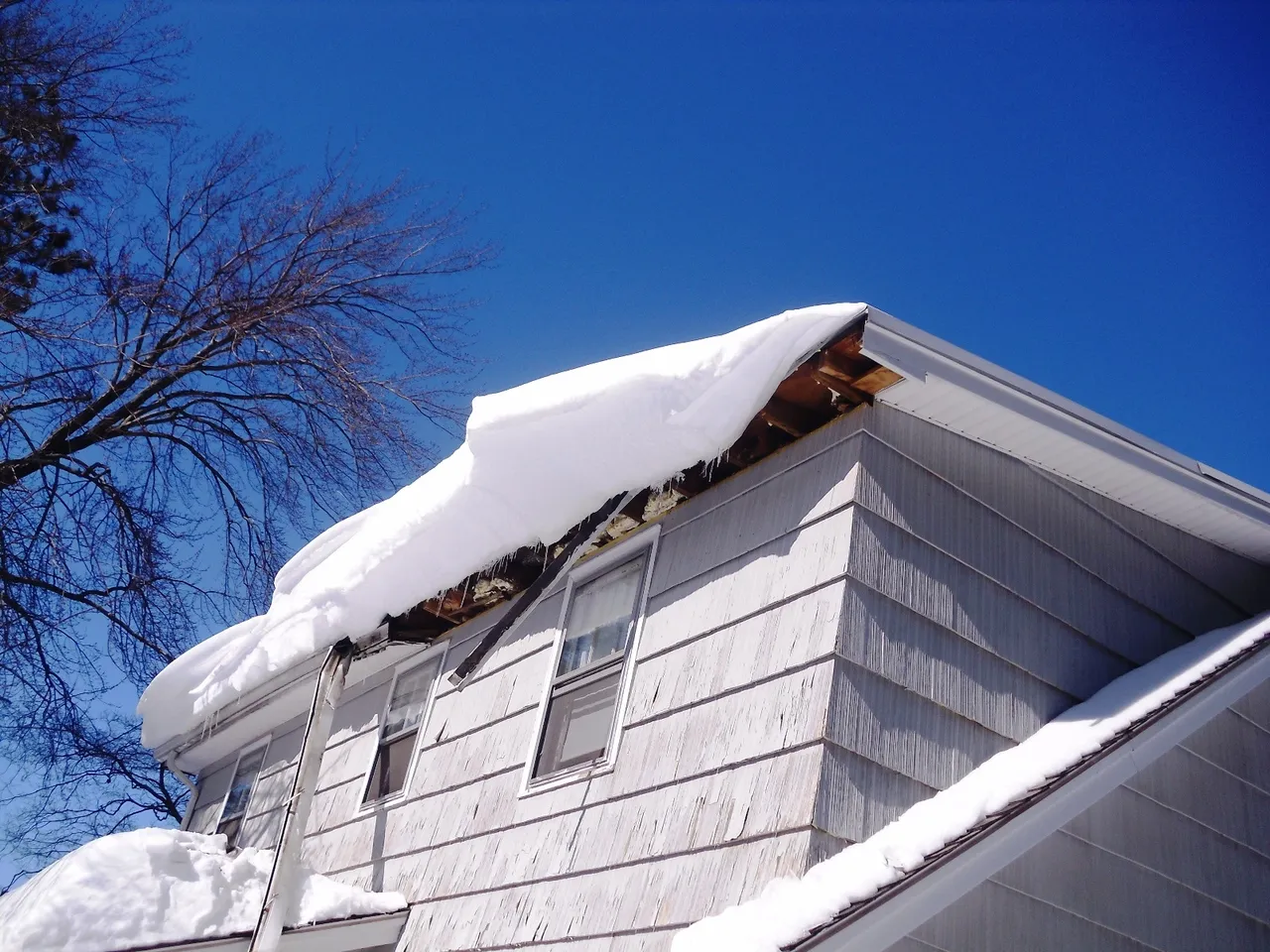
January 23, 2026
Blizzards are a fierce and powerful force of nature, often bringing intense snowfall, freezing temperatures, and powerful winds. While they might seem like just another winter storm, they can have significant long-term effects on the structures of your home—especially your roof. Understanding how blizzards affect your roof can help you protect it and ensure its longevity throughout the harsh winter months.
One of the most obvious ways that a blizzard can impact your roof is through the sheer weight of the snow and ice that accumulates. When snow falls, it can pile up quickly, especially during a blizzard, and the weight can strain your roof’s structural integrity. Most roofs are designed to handle a certain amount of snow, but excessive accumulation may exceed this capacity, potentially leading to sagging or even collapse in extreme cases.
Roof Pitch Matters: Steeper roofs allow snow to slide off more easily, but flatter roofs tend to hold onto snow longer, increasing the weight and potential for damage.
Ice Dams: When the snow on your roof melts due to warmth inside your home, it can refreeze at the roof’s edge, forming ice dams. These dams block water from draining off the roof, which can cause leaks inside your home, damaging insulation, ceilings, and walls.
Blizzards often bring both snow and freezing temperatures, and your roof’s drainage system—gutters and downspouts—can become a point of concern. As snow accumulates on your roof and melts, it needs somewhere to go. If your gutters are clogged with snow, ice, or debris, water cannot flow freely, leading to potential water backup, leaks, and even gutter damage.
The freezing temperatures can cause water to freeze inside gutters, making them brittle and prone to cracking or detachment from the roof. Over time, these issues can lead to costly repairs or the need for gutter replacement.
Blizzards are notorious for their high winds, which can cause significant damage to your roof. Strong gusts can tear off shingles, loosen flashing, and even damage roof vents. When wind gets underneath loose or lifted roofing materials, it can exacerbate the issue, causing more widespread damage as the storm progresses.
Shingle Lift: Winds can lift individual shingles, exposing the underlying roof deck to water infiltration when snow or ice melts.
Flashings and Vents: Wind can also dislodge or damage critical components like flashing around chimneys, vents, and skylights, leaving your roof vulnerable to water damage.
Blizzards often bring extreme cold to the outside, while your home stays warm and cozy inside. This drastic temperature difference can lead to condensation inside your attic, especially if your roof is not properly ventilated. Excess moisture buildup can damage wooden rafters and beams, encourage mold growth, and compromise the overall structural integrity of your roof.
Poor insulation and ventilation are key contributors to moisture problems in the attic. This moisture can even drip down onto the interior of your home if the attic becomes too warm and the ice begins to melt.
Repeated exposure to blizzards over several years can lead to cumulative wear and tear on your roof. The freezing and thawing cycle caused by snow and ice can cause materials like shingles and tiles to crack and degrade over time. This gradual breakdown of your roof’s materials can significantly shorten its lifespan if not addressed.
While it may not be possible to prevent the snow and ice from accumulating on your roof, there are proactive measures you can take to minimize the impact of a blizzard on your roof:
Regular Roof Inspections: Have a professional inspect your roof at least once a year, especially before the winter season, to identify any areas that may be vulnerable to blizzard damage.
Clear Gutters and Downspouts: Make sure your gutters and downspouts are clear of debris before a blizzard hits, and consider installing ice dam prevention systems or heated cables.
Proper Insulation and Ventilation: Ensure that your attic is well-insulated and ventilated to prevent condensation and ice dams from forming. Proper attic ventilation helps regulate temperature and airflow, reducing moisture buildup.
Shovel Snow Safely: If it’s safe to do so, remove heavy snow from your roof after a blizzard. Use a roof rake designed for snow removal but avoid standing directly beneath the snow you are removing.
Blizzards can have a lasting impact on the life and integrity of your roof if proper care is not taken to prepare for and address potential issues. From snow accumulation and ice dams to wind damage and condensation, there are several ways that winter storms can compromise your roof. By staying proactive with regular maintenance and inspections, you can ensure that your roof continues to protect your home throughout the coldest months and beyond.
Owned & Operated Since 2012
4.7 Average Rating (165 Reviews)
2567 Center Rd
Hinckley, OH 44233
1990 Main St. Suite 750
Sarasota, FL 34236